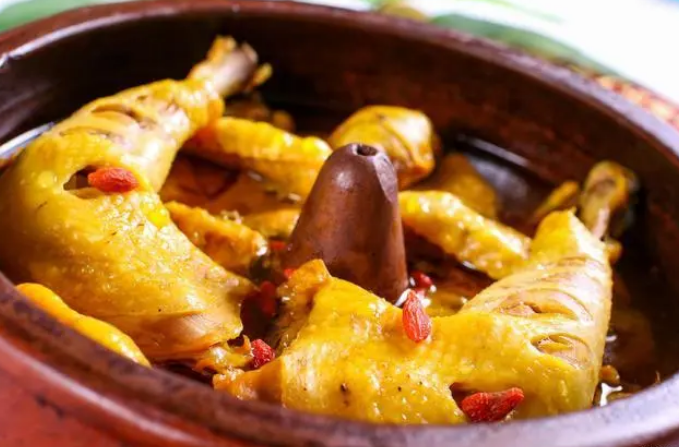
Steam Pot Chicken
Introduction
Steam Pot Chicken, known as "Qiguoji" in Mandarin, is a traditional Chinese dish originating from the Yunnan province. It is a beloved culinary treasure of the region, celebrated for its unique cooking technique and delicious flavors. Unlike conventional chicken dishes, Steam Pot Chicken is prepared using a special ceramic pot designed specifically for steaming. This method of cooking allows the chicken to retain its natural juices, resulting in tender, flavorful meat. The dish is often enjoyed with a variety of herbs and spices that are native to Yunnan, enhancing its aromatic and savory profile. Steam Pot Chicken is not just a meal but an experience, offering a taste of Yunnan's rich culinary tradition and cultural heritage.
History
The history of Steam Pot Chicken is deeply intertwined with the cultural practices and innovations of the Yunnan province. The dish dates back several centuries and has been a staple in Yunnan cuisine due to the region's abundant resources and diverse culinary influences. The invention of the steam pot itself is attributed to the ingenuity of the local people who sought a method to prepare chicken that would preserve its natural flavors while being healthy and aromatic. Over the years, Steam Pot Chicken has been refined and adapted, becoming a symbol of Yunnan's culinary identity. It is a dish that is often served during special occasions and gatherings, reflecting its significance in both the daily and festive food culture of Yunnan.
Ingredients
The key ingredients for Steam Pot Chicken include a whole chicken, preferably free-range for its richer taste and texture, and a selection of fresh herbs and spices. Common additions include ginger, garlic, goji berries, and Yunnan's famous wild mushrooms, which contribute to the dish's distinctive aroma and flavor. Traditional recipes may also incorporate Chinese medicinal herbs such as angelica root and ginseng to enhance the health benefits of the dish. The use of Yunnan ham or preserved pork can add depth to the broth, while rice wine is often included to tenderize the meat and enrich the overall taste. The careful selection of these ingredients is crucial to achieving the authentic flavor that Steam Pot Chicken is known for.
Preparation
The preparation of Steam Pot Chicken involves meticulous steps to ensure the dish achieves its signature taste and texture.
Marinating the Chicken
To start, the chicken must be thoroughly cleaned and cut into manageable pieces. Marination is a critical step, as it allows the flavors to penetrate the meat deeply. Typically, the chicken is marinated with a mixture of salt, pepper, ginger, garlic, and a splash of rice wine. This blend not only enhances the taste but also helps to tenderize the chicken, making it succulent and juicy after cooking. The marinating process should ideally last for several hours or overnight to achieve the best results.
Preparing the Rice
Although rice is not always a component of Steam Pot Chicken, it can be included to make the dish more filling. If rice is used, it should be rinsed and soaked in water for at least 30 minutes. This step ensures that the rice cooks evenly and absorbs the flavorful juices released by the chicken during the steaming process. The type of rice used can vary, but long-grain fragrant rice is a popular choice for its ability to complement the dish without overpowering the delicate flavors of the chicken.
Cooking Process
The cooking of Steam Pot Chicken involves using a special Yunnan steam pot, which is a clay pot with a chimney in the center. The pot is placed over boiling water, allowing steam to rise through the chimney and cook the contents gently. The marinated chicken pieces are arranged in the steam pot along with the selected herbs and spices. As the steam permeates the pot, it cooks the chicken slowly, infusing it with the aromatic flavors of the ingredients. This method of steaming is not only efficient but also preserves the nutritional integrity of the chicken. The cooking process usually takes several hours, ensuring the meat remains tender and the broth becomes rich and flavorful.
Variations
While the classic Steam Pot Chicken is highly revered, numerous variations exist, each offering a unique twist on the traditional recipe. Regional variations may include the addition of local herbs or spices, such as Sichuan pepper or chili for a spicier rendition. In some areas, the dish is enhanced with tofu or local vegetables like bamboo shoots and lotus root. Another popular variation incorporates coconut milk for a richer, creamier broth. These adaptations highlight the versatility of Steam Pot Chicken and its capacity to evolve while maintaining its core identity. The variations also reflect the diverse culinary influences and preferences across different regions and communities.
Cultural Significance
Steam Pot Chicken holds a prestigious place in Yunnan's cultural and culinary landscape. It is more than a dish; it is a symbol of heritage and tradition. The unique way of steaming embodies the resourcefulness and creativity of the Yunnan people. Often served during family gatherings, festivals, and special occasions, the dish represents warmth, hospitality, and the coming together of loved ones. Its preparation and serving are often seen as acts of love and care, making it a dish that is cherished across generations. The cultural significance of Steam Pot Chicken extends beyond its taste, as it continues to be a testament to Yunnan's rich culinary history and its role in preserving the region's identity.








